
Destination guide
Plugs and sockets in Cuba
 Plugs and sockets in Cuba
Check both the plug and the voltage before travelling to Cuba. The electricity supply can be 120V or 220V, so a travel adapter alone may not be enough.
Important electricity information
Most ordinary outlets use 110–120V. Some hotels provide 220V outlets and European round-pin sockets. Ask your accommodation which sockets and voltages are available.
Check your journey
Will your plug work in Cuba?
Choose the country you are travelling from. The UK is shown as an example.
United Kingdom → Cuba
You may need a travel adapter
Sockets can vary in Cuba. Ask your accommodation which sockets they have before you buy an adapter.
Socket types vary. If you want to be prepared, consider a travel adapter with US-style two flat pins (Type A).
The example above is for travellers from the UK. Refresh the page to try the checker again.
What the plugs and sockets look like
 Plug
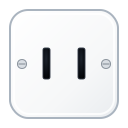 Socket
 Plug
 Socket
 Plug
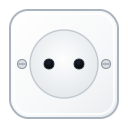 Socket
- Socket types
- Type A, Type B and Type C
- Voltage
- 120V or 220V
- Frequency
- 60Hz
Will my devices work in Cuba?
Cuba uses 120V or 220V depending on the area. Most modern chargers work with both, but higher-power appliances need the right supply.
- Phones, tablets and cameras: Most modern chargers are made for international travel. Chargers marked 100–240V, 50/60Hz work with this electricity supply.
- Laptops: Most laptop charging bricks accept 100–240V too. You can find this on the INPUT label.
- Hairdryers and straighteners: Cuba uses 120V or 220V depending on the area. Use a model designed for the local voltage, a suitable dual-voltage model, or one supplied by your accommodation.
- Shavers, toothbrushes and other devices: If the charging base is marked 100–240V, you can use it here too.
Our guide to charger labels explains exactly what to look for.
Travelling here from another country?
Helpful information
A travel adapter changes the plug shape, not the voltage.
How to read the label on your charger · Check a different journey